Dr. Soumya Swaminathan-WHO’s Chief Scientist .
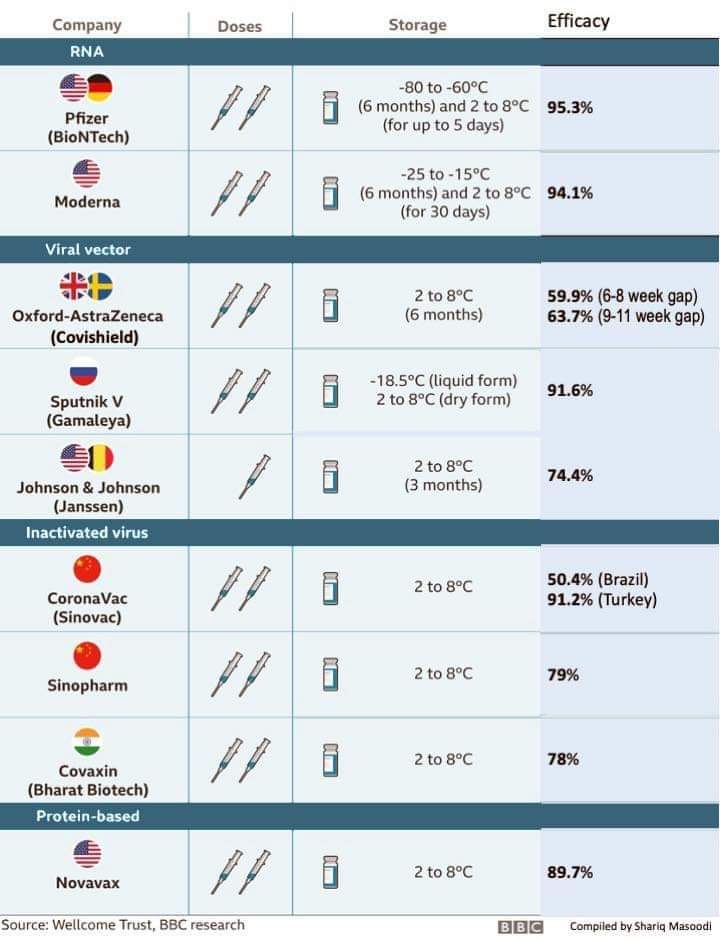
This is an important question. There are so many vaccines now under development and each of them is being given at slightly different dosing schedules. Most of the vaccines that are being developed need at least two doses, but there are some single dose vaccine candidates as well. The interval between the doses depends on which vaccine you’re getting and the local authorities, the government, would have made a guideline and would inform you about when the second dose is due. Most of the two those vaccines currently are being given between three to four weeks between the first and the second dose. But there is some data from some vaccines like the AstraZeneca vaccine, where delaying the second dose up to 12 weeks actually gives a better immune boost. Now, in terms of missing the second dose or being delayed, it’s important to get the second dose if the vaccine is a two those schedule. It doesn’t matter if it’s early by a few days or late by a few days or even a couple of weeks. It’s important to go back and get that second dose because the first dose actually presents this new antigen to the immune system to prime it. And the second dose is the one that really gives a boost to the immune system so that the antibody response, as well as T cell mediated response, they are very strong and they also develop a memory response, which then lasts for a long time, so that when the body sees this antigen again, this virus protein again, it knows that it needs to react quickly.
 Non Profit Pharmacy J&K